
SUNDAY, NOVEMBER 15, 2026
Lux Aeterna
3:00 PM | MANSFIELD THEATER, GREAT FALLS
PRE-CONCERT TALK | 2:00 PM | FREE

SEASON SPONSOR
CONCERT SPONSOR
Dr. Brice Addison

WHAT'S INTERESTING ABOUT THIS CONCERT
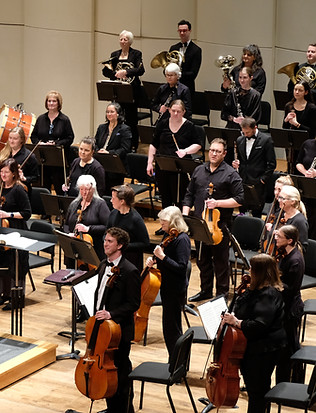
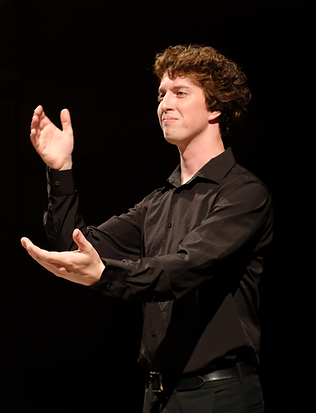
This concert is a unique mix of choral and symphonic works with the choir and orchestra trading off, then coming together for the title piece, Lux Aeterna. First, the choir takes the spotlight with two incredibly beautiful a cappella pieces under the direction of new Choirmaster, Jay Gregg. Then, Music Director Robert Kahn and the orchestra take us into the vivid world of Vivaldi’s beloved Four Seasons. For this concert we’ll hear two, Winter and Spring. The two groups come together for the final piece of the program, Lux Aeterna.
_edited.jpg)

SUNDAY
15
NOVEMBER, 2026
CONCERT START 3:00
PRE-CONCERT TALK 2:00
DURATION
1 hour, 15 minutes
(includes 20-min. intermission)
EVERYONE BELONGS AT THE SYMPHONY
Clap when you feel it.
Pre-concert talk | 6:30 PM | Free
Enjoy your concession drink at your seat.
Phones on silent are welcome.
Concert Details
MUSIC DIRECTOR SPONSORS

ABOUT THE MUSIC
PROGRAM NOTES WRITTEN BY
JAY HENRY GREGG & ROBERT KAHN
Frank Ticheli graduated with a Bachelor’s degree in music composition and music education from Southern Methodist University in Texas. He continued his education at the University of Michigan where he received his Master’s and Doctorate in music composition. From 1991-2023, Ticheli was a professor of composition at University of Southern California’s Thornton School of Music where he taught alongside another familiar name, Morten Lauridsen, who taught at the school for 52 years before retiring in 2019. In 2011, Ticheli endowed the Frank Ticheli Guest Artist Fund, which supported visiting composers and artists to promote new music at USC.
Predominantly known for his band and wind ensemble music, Ticheli originally wrote the tune of Earth Song as part of a larger wind band work titled Sanctuary. In an interview, Ticheli stated, “This music was just begging to be sung by a chorus”. Ticheli took his melody and chords and put them to text influenced by the ongoing war with Iraq. He stated,
Earth Song
2009
Frank Ticheli
1958 --
4 MINUTES
“It sprang out of an intense weariness of war and a wish for peace. The second half of the poem talks about music as a comforting force and a refuge. When I was bullied as a kid, music was my refuge. I often thought about bullies in relation to this piece as well, because that’s where violence starts. But music is a place where people can find acceptance and love – and it can often be their saving grace.
And it’s not just choir that people can find that comfort – it’s band, it’s orchestra… it’s just people coming together to make music.”
Eriks Esenvalds, one of today’s most prominent choral composers, was born in Priekule, Latvia. He attended the Latvian Academy of Music, where he now teaches. Esenvalds has become a voice of influence throughout Latvia, not only due to his position at the Academy, but from his work with prestigious venues, musical ensembles, and royalty worldwide. His work, “Earth Teach Me Quiet” was included in the New York Times 25 Best Classical Musical Tracks of 2020. He has found great success with many of his works, including O Salutaris Hostia, one of his most performed shorter works.
Written for the Catholic Church in 1264, this text, written by Saint Thomas Aquinas, was originally part of a larger hymn. The text depicts a spiritual home; an eternal solution where light and peace reside abundantly. These exact words have provided hope and comfort to many. For over 750 years, this poem acknowledges the conflict throughout the world, but also provides an answer, an answer where the doors to a new world are held open in invitation to those who seek. For those who seek, find.
O Salutaris Hostia
2008
Eriks Esenvalds
1977--
4 MINUTES
O salutaris hostia Oh saving victim,
Quae caeli pandis ostium Who opens the gate of Heaven
Bella premunt hostilia: The enemy oppresses us with conflict
Da robur, fer auxilium Give us strength, help us
Uni trinoque Domino To the One and Threefold Lord Sit sempiterna gloria Be eternal glory
Qui vitam sine termino Who gives life without end
Nobis donet in patria Grant us in heaven
Amen Amen
Antonio Vivaldi’s The Four Seasons, published in 1725, is among the most celebrated examples of musical storytelling, or “program music”. Each of the four violin concertos portrays a different season and is paired with a sonnet whose scenes from nature and everyday life are vividly reflected in the music.
In “Winter,” Vivaldi evokes the season’s biting cold through shivers, icy winds, and clattering teeth. The slow second movement retreats indoors, offering a scene of warmth and contentment while rain can be heard falling outside. In the finale, the music ventures onto the ice, depicting cautious steps, sudden slips, and the return of icy winds.
“Spring” greets the new season with one of Vivaldi’s most recognizable melodies. Birdsong, flowing streams, and a sudden thunderstorm fill the first movement, while the peaceful second movement portrays a sleeping goat herd with his faithful dog beside him. The final movement is a festive rustic dance, bringing the concerto, and springtime, to a spirited close.
Four Seasons
1725
Concerto No. 4 in F minor, “Winter”
Concerto No. 1 in E major, “Spring”
Antonio Vivaldi
1678 – 1741
FEATURING CONCERTMASTER
Mary Papoulis
VIOLIN
19 MINUTES
Morten Lauridsen’s Lux Aeterna has become one of the most beloved choral works of the modern era. Composed in 1997 and scored for choir and chamber orchestra, the work weaves together a series of sacred Latin texts through five movements, each centered on the theme of light. Rather than depicting dramatic conflict or struggle, Lauridsen creates a musical journey of comfort, renewal, and hope.
Drawing inspiration from the choral traditions of composers such as Palestrina, Fauré, and Duruflé, Lauridsen combines timeless harmonies with a distinctly modern voice. Rich sonorities unfold slowly, allowing the listener to savor the beauty of each phrase and the resonance of the choir. In an age often filled with noise and distraction, Lux Aeterna offers a rare moment of reflection, beauty, and renewal.
Lux Aeterna
1997
I. Introitus
II. In Te
III. Domine
IV. Speravi
V. O Nata Lux
Morten Lauridsen
1943--